

Delivering expert solutions across Automotive, Tyre, & Power Tools Services.
Explore ServicesDelivering expert solutions across Automotive, Tyre, & Power Tools Services.
Explore Services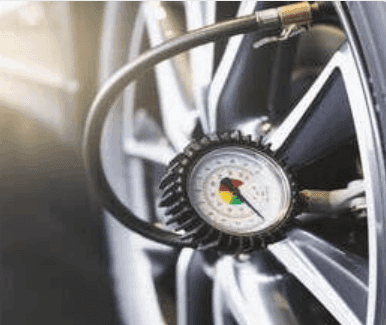
Tyre inflation is undoubtedly a key element in ensuring tyre longevity. The pressure recommended by the manufacturers is different for each vehicle and must be scrupulously respected for your safety. But did you know that to reach the right pressure level, your tyres can be inflated with either air or nitrogen ?
Nitrogen tyre inflation uses pure nitrogen gas (typically 95-99% pure) instead of regular compressed air to fill your tyres. Unlike compressed air, which contains approximately 78% nitrogen, 21% oxygen, and trace amounts of water vapor and other gases, pure nitrogen inflation eliminates oxygen and moisture from inside your tyres. This seemingly simple change delivers measurable benefits for your vehicle's performance and safety.
Regular compressed air contains oxygen molecules that are smaller than nitrogen molecules, allowing them to permeate through tyre rubber more quickly. This leads to faster pressure loss over time. Additionally, the moisture in compressed air can cause internal corrosion of wheels and pressure fluctuations as temperatures change. Nitrogen addresses these issues by providing a more stable, dry inflation medium.
Nitrogen inflation benefits all vehicles but proves particularly valuable for high-performance cars, luxury vehicles, SUVs used for long-distance highway driving, commercial vehicles requiring consistent performance, and any vehicle operating in the UAE's demanding climate. Vehicles with TPMS systems especially benefit from nitrogen's stability, as it reduces false pressure warnings caused by temperature fluctuations.
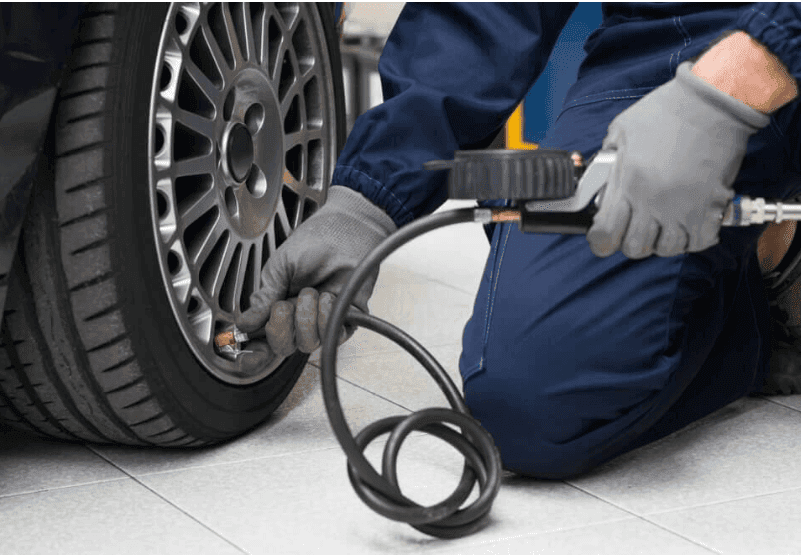
Even with nitrogen, regular pressure checks are a must. Check your tyre pressure monthly and before long trips - nitrogen-filled tyres just need less frequent top-ups. If you need air and nitrogen's not available, regular air's fine to top up with, but it'll dilute the nitrogen benefits. For optimal results, hit up CME for nitrogen top-ups and keep those tyres in top shape.
Think nitrogen's just for race cars or planes? Think again! Modern equipment makes it a practical choice for everyday vehicles. Nitrogen reduces pressure loss, but doesn't mean you can skip pressure checks - punctures, valve leaks, or bead issues can still cause problems. The benefits are real, though: better pressure retention and temperature stability.
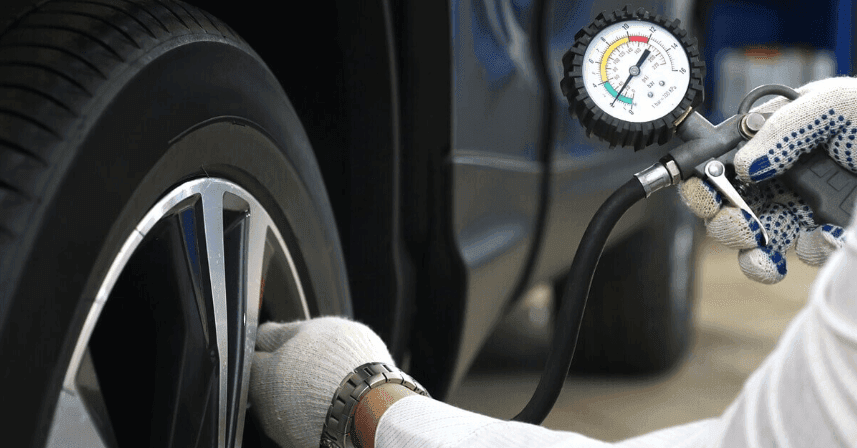
Nitrogen-filled tyres maintain consistent pressure longer, reduce internal moisture/corrosion, and offer better stability, while normal air is cheaper and readily available. Nitrogen molecules are larger and leak slower (1-3 PSI loss/month for air vs. almost none for nitrogen). Nitrogen is ideal for high-speed/long-distance, while normal air is fine for daily driving
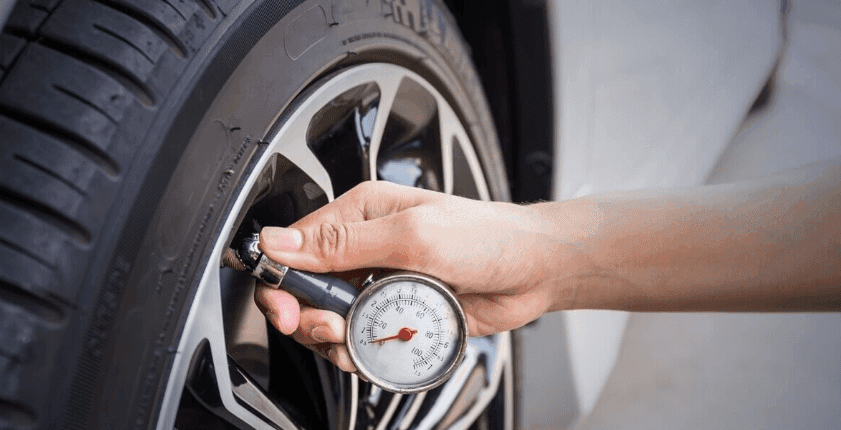
Air pressure can be easily checked with the help of a calibrated accurate air pressure gauge. An air gauge is fairly cheap and a handy device that helps you easily check your car tyre pressure yourself.
To check the air pressure, take the cap off the valve and put the gauge on the valve. The gauge will show the pressure reading. If it doesn’t match the one mentioned on your placard or owner’s manual then you might have to add or remove air until it reaches the recommended number. Once that is done check the air pressure again with the gauge to make sure your tyres are inflated correctly. At the end do not forget to place the cap back to the valve stem. Check all your tyres including the spare if your car has one. In case the spare is a space saver type, follow the recommended pressure posted on its rim.